
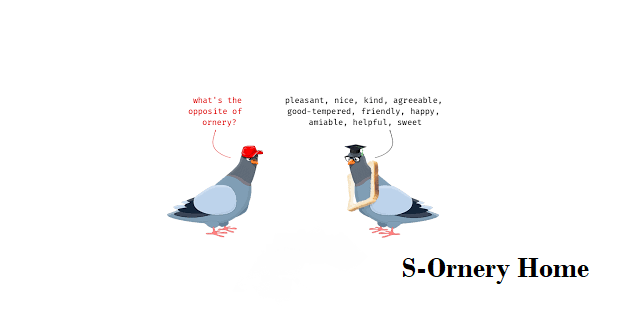
Have you ever struggled to describe someone who’s the exact opposite of ornery? Maybe you’ve met a colleague who’s always agreeable, a friend who’s endlessly cheerful, or a team member who’s the picture of cooperation. Knowing the right words—especially ornery antonyms—can transform your communication, making it clearer, more positive, and more effective in both business and everyday life. In this comprehensive guide, you’ll discover what ornery really means, why its antonyms matter, and how to use them to enrich your vocabulary and professional interactions.
Key Takeaways
- Ornery antonyms are essential for clear, positive communication.
- Understanding opposites of ornery helps balance tone in business and daily life.
- Antonyms like agreeable, amiable, and cooperative can foster better relationships.
- Using ornery antonyms strategically can improve your writing and interpersonal skills.
Understanding “Ornery” – Definition and Context
What Does “Ornery” Mean?
The word “ornery” is often used to describe someone who is difficult, stubborn, cranky, or ill-tempered. It’s a term that pops up in American English, especially in the South and rural regions, and it carries a slightly playful, sometimes affectionate undertone. Still, at its core, ornery refers to a person (or sometimes an animal) who is hard to get along with, resistant to cooperation, or just plain grumpy.
Common synonyms for ornery include:
- Cantankerous
- Cranky
- Grouchy
- Ill-tempered
Ornery in Everyday and Business Language
In daily conversation, you might hear:
- “He’s feeling ornery today—better give him some space.”
- “That ornery cat won’t let anyone pet her.”
In business, “ornery” might describe a challenging client or a stubborn coworker:
- “We have an ornery customer who’s never satisfied.”
- “The negotiations stalled because the other party was being ornery.”
Why Focus on Ornery Antonyms?
Identifying antonyms for ornery is valuable because it helps you balance your tone. If you want to highlight positive traits, avoid negative connotations, or simply describe someone’s agreeable nature, knowing ornery antonyms gives you the right words for the job.
What Are Antonyms?
Definition and Role in Language
Antonyms are words with opposite meanings. They’re the linguistic counterweights that help us clarify, contrast, and enrich our communication. For every word that describes a negative trait, there’s usually an antonym that highlights the positive side.
Why Antonyms Matter
- Clarify meaning: Using antonyms helps you express exactly what you mean.
- Improve vocabulary: Knowing both sides of a word’s meaning expands your expressive power.
- Enhance communication: In business and personal interactions, choosing the right antonym can shift the tone from negative to positive, or vice versa.
Ornery Antonyms in Dialogue
Recognizing and using antonyms of ornery can help you navigate tricky conversations, soften criticism, or highlight positive behaviors in others.
Comprehensive List of Ornery Antonyms
When searching for ornery antonyms, it’s important to consider context. Some antonyms focus on personality, others on behavior or mood. Here’s a curated list, grouped for clarity:
Personality-Oriented Ornery Antonyms
- Agreeable: Willing to go along with others; easy to get along with.
- Example: “She’s an agreeable team member who always supports group decisions.”
- Amiable: Friendly and pleasant in manner.
- Example: “His amiable nature makes him popular in the office.”
- Good-tempered: Naturally calm and pleasant.
- Example: “Even under stress, he remains good-tempered.”
- Cooperative: Works well with others; helpful.
- Example: “A cooperative attitude is essential for successful teamwork.”
- Friendly: Warm and welcoming.
- Example: “Her friendly demeanor puts clients at ease.”
- Pleasant: Enjoyable to be around; cheerful.
- Example: “He’s a pleasant person to work with.”
Behavioral Ornery Antonyms
- Compliant: Willing to follow rules or requests.
- Example: “The compliant employee quickly adapted to new procedures.”
- Docile: Easily managed or handled; gentle.
- Example: “The docile intern took feedback well.”
- Well-behaved: Exhibiting good manners and conduct.
- Example: “The well-behaved child impressed everyone at the event.”
- Submissive: Ready to conform to authority or the will of others.
- Example: “Her submissive approach made negotiations smoother.”
Mood-Related Ornery Antonyms
- Happy: Feeling or showing pleasure or contentment.
- Example: “A happy team is a productive team.”
- Cheerful: Noticeably happy and optimistic.
- Example: “His cheerful attitude brightens the office.”
- Calm: Not showing or feeling nervousness, anger, or other strong emotions.
- Example: “She remained calm during the crisis.”
- Relaxed: Free from tension and anxiety.
- Example: “A relaxed environment encourages creativity.”
- Patient: Able to accept or tolerate delays, problems, or suffering without becoming annoyed.
- Example: “Patient leaders inspire trust.”
Ornery Antonyms in Realistic Scenarios
- Business:
- Ornery: “The ornery client refused every suggestion.”
- Antonym: “The agreeable client welcomed our ideas.”
- Teamwork:
- Ornery: “He’s too ornery to work with others.”
- Antonym: “She’s cooperative and values everyone’s input.”
- Customer Service:
- Ornery: “We had an ornery customer on the phone.”
- Antonym: “We had a pleasant customer who made our day.”
Quick Reference Table: Ornery Antonyms
| Ornery Antonym | Type | Example Sentence |
|---|---|---|
| Agreeable | Personality | “He’s agreeable and easy to work with.” |
| Amiable | Personality | “Her amiable smile welcomes everyone.” |
| Cooperative | Personality | “A cooperative team achieves more.” |
| Compliant | Behavior | “The compliant staff followed the new policy.” |
| Docile | Behavior | “The docile dog obeyed every command.” |
| Well-behaved | Behavior | “The well-behaved students listened attentively.” |
| Happy | Mood | “A happy employee is a loyal employee.” |
| Cheerful | Mood | “His cheerful greeting lifted everyone’s spirits.” |
| Calm | Mood | “She stayed calm under pressure.” |
| Patient | Mood | “Patient managers resolve conflicts smoothly.” |
Using these ornery antonyms in your vocabulary can help you communicate more positively and effectively in any setting.
Comparing Ornery and Its Antonyms in Different Contexts
Side-by-Side Comparison Table
| Word Pair | Definition (Ornery) | Definition (Antonym) | Example Use Case |
|---|---|---|---|
| Ornery vs. Amiable | Stubborn, cranky, hard to please | Friendly, pleasant, easygoing | “The ornery boss was hard to approach, but his amiable assistant made up for it.” |
| Ornery vs. Cooperative | Resistant to working with others | Willing to work together | “The ornery team member blocked progress, while the cooperative one found solutions.” |
| Ornery vs. Calm | Easily irritated, quick to anger | Peaceful, unflappable | “He was ornery during the crisis, but she remained calm.” |
| Ornery vs. Patient | Impatient, easily annoyed | Tolerant, slow to anger | “The ornery customer demanded instant results; the patient one waited politely.” |
Nuances in Choosing the Right Antonym
- Audience: In formal business writing, “cooperative” or “agreeable” are often preferred over “docile” or “submissive,” which can sound patronizing.
- Tone: “Amiable” and “pleasant” are warmer, while “compliant” and “docile” are more neutral or even negative in some contexts.
- Situation: Use “calm” or “patient” when referring to mood, “cooperative” or “agreeable” for teamwork, and “friendly” or “amiable” for social interactions.
When to Avoid the Tone of “Ornery”
- Customer Service: Always opt for positive antonyms to maintain professionalism.
- Team Communication: Highlighting positive traits fosters collaboration.
- Leadership: Using antonyms of ornery can inspire and motivate rather than discourage.
How Using Ornery Antonyms Can Improve Business Writing and Communication
Building Professionalism and Rapport
Choosing ornery antonyms in business writing helps you:
- Maintain a positive tone: Words like “cooperative” and “pleasant” set a constructive mood.
- Build rapport: Positive language encourages trust and teamwork.
- Foster inclusivity: Using antonyms of ornery avoids alienating or offending colleagues and clients.
Rewriting Ornery Statements with Antonyms
- Original: “The ornery client made negotiations difficult.”
- Revised: “The agreeable client was open to our proposals.”
- Original: “He’s too ornery to lead the project.”
- Revised: “She’s cooperative and inspires collaboration.”
- Original: “Our ornery coworker resists every change.”
- Revised: “Our adaptable coworker embraces new ideas.”
Common Pitfalls
- Overusing negative terms: Repeatedly calling someone “ornery” can damage relationships.
- Misapplying antonyms: Words like “submissive” may not always be appropriate; choose context-sensitive antonyms.
- Ignoring tone: Even positive antonyms can sound insincere if not matched with genuine intent.
The Cultural and Regional Nuances of “Ornery” and Its Opposites
Regional Flavor of “Ornery”
“Ornery” is especially common in the Southern and rural United States, where it can carry a playful or affectionate undertone. In other regions, it may sound more negative or unfamiliar.
Regional Use of Ornery Antonyms
- Agreeable, amiable, and cooperative are widely understood across the U.S.
- Docile and submissive may be less common in everyday speech and can carry unintended connotations.
- In multicultural or international business, stick to universally positive antonyms like “friendly,” “pleasant,” and “cooperative.”
Culturally Sensitive Antonym Use
- Avoid antonyms that imply weakness (like “submissive”) unless the context is appropriate.
- Use “amiable” or “cooperative” to highlight positive, active engagement rather than passive compliance.
FAQs About Ornery Antonyms
Is “Ornery” Always Negative?
Not always. While ornery usually means cranky or difficult, in some regions it can be used affectionately, especially for children or pets.
Can Antonyms of “Ornery” Imply Weakness or Passivity?
Some antonyms, like “submissive” or “docile,” can suggest passivity or lack of initiative. For business or leadership contexts, prefer active positives like “cooperative” or “agreeable.”
What Are the Best Antonyms to Use in Formal Writing?
- Cooperative
- Agreeable
- Amiable
- Pleasant These are professional, positive, and unlikely to be misunderstood.
Are All Antonyms of “Ornery” Appropriate for Business Contexts?
No. Avoid antonyms that could be interpreted as patronizing or negative, such as “submissive” or “docile,” unless the context specifically calls for them.
How to Explain “Ornery” and Its Antonyms to Non-Native English Speakers?
- Ornery: “Difficult, stubborn, or grumpy.”
- Antonyms: “Easy to get along with, friendly, cooperative, pleasant.” Use simple examples and relate to familiar situations, like teamwork or customer service.
Practical Exercise: Identify Ornery Antonyms in Sentences
Try rewriting these sentences using appropriate ornery antonyms. Answers and explanations follow.
Sentences
- The ornery manager refused to listen to new ideas.
- Our ornery neighbor always complains about everything.
- The ornery child wouldn’t share his toys.
- She became ornery when the meeting ran late.
- The ornery customer argued with every suggestion.
Answers and Explanations
- The cooperative manager welcomed new ideas.
“Cooperative” is the opposite of “ornery” in a teamwork context. - Our pleasant neighbor always has something nice to say.
“Pleasant” flips the negative tone to a positive one. - The well-behaved child shared his toys with everyone.
“Well-behaved” is a behavioral antonym suitable for children. - She remained calm even when the meeting ran late.
“Calm” is a mood-related antonym, showing emotional control. - The agreeable customer accepted our suggestions.
“Agreeable” is a personality antonym, ideal for customer service.
Conclusion
Mastering ornery antonyms is more than just a vocabulary exercise—it’s a powerful tool for improving your communication, building better relationships, and fostering a positive environment in both business and daily life. By choosing the right antonyms, you can shift conversations from conflict to cooperation, from negativity to positivity. Start using ornery antonyms today to enrich your language and connect more effectively with others.
What’s your favourite antonym for ornery? Share your thoughts or examples in the comments below!
For more, visit our website, S-Ornery home.com