
Key Takeaways:
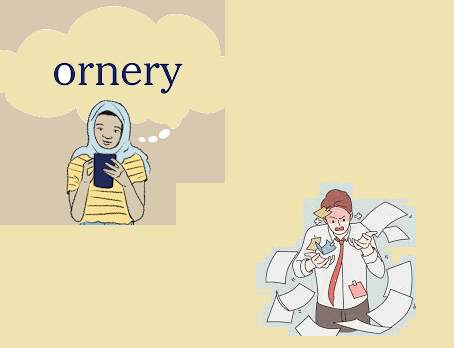
- To define ornery is to describe someone or something as stubborn, irritable, or difficult, often with a touch of humor or affection.
- The word “ornery” has evolved from a contraction of “ordinary” in early American English to its current meaning.
- Ornery is used in both negative and playful contexts, and its usage is especially common in the United States, with regional variations in meaning and pronunciation.
- Understanding how to define ornery and use it appropriately can enrich your vocabulary and help you navigate nuanced conversations.
Introduction
Have you ever met someone who just seems determined to be difficult, or perhaps a pet that refuses to cooperate no matter what you do? If so, you’ve likely encountered someone—or something—that could be described as “ornery.” But what does it really mean to define ornery, and why is this word such a colorful part of the English language?
In this comprehensive guide, we’ll define ornery, explore its origins, examine its usage in everyday language and culture, and compare it to similar words. Whether you’re a language enthusiast, a student, or simply curious about the quirks of American English, this post will help you understand and use “ornery” with confidence.
1. What Does Ornery Mean?
1.1 Basic Definition
To define ornery is to describe a person, animal, or even a situation as bad-tempered, stubborn, difficult, or mean-spirited. An ornery individual is often irritable, hard to please, and may go out of their way to be contrary or uncooperative. The word is primarily informal and is most commonly used in American English, though it is recognized in other English-speaking regions as well .
Synonyms for ornery include:
- Cantankerous
- Crotchety
- Stubborn
- Grumpy
- Testy
For example, someone might say, “He’s in an ornery mood today,” to indicate that a person is being particularly difficult or irritable.
1.2 Nuances and Variations of Meaning
While the primary meaning of ornery is negative, the word can also carry a slightly humorous or affectionate tone, especially in certain regions or contexts. For instance, a mischievous child or a stubborn pet might be called ornery in a way that suggests exasperation mixed with fondness.
Ornery can also be used to describe animals—“My ornery cat won’t come inside”—or even situations, such as “We had some ornery weather last week,” meaning the weather was difficult or uncooperative .
In some cases, ornery behavior is seen as unpleasant and mean-spirited, while in others, it’s more about being contrary or playfully stubborn. This duality makes the word both versatile and expressive in informal conversation .
2. Etymology and Historical Evolution of Ornery
2.1 Origin of the Word
To fully define ornery, it’s helpful to understand its roots. The word “ornery” originated in early 19th-century American English as a contracted form of “ordinary” . This contraction was common in regional dialects, especially in the United States.
Originally, “ordinary” meant commonplace or of no special quality. Over time, “ornery” shifted from meaning “ordinary” to “inferior or unpleasant,” and eventually to its current sense of “bad-tempered or difficult” .
2.2 Historical Usage and Changes Over Time
The evolution of ornery reflects broader changes in American English. In the early 1800s, “ornery” was used in a neutral or even slightly negative sense, often to describe something of low quality or status. By the mid-19th century, the word had taken on a more negative connotation, describing people or things that were not just ordinary, but disagreeable or troublesome .
Ornery became especially associated with Southern and Appalachian dialects, where it was used to describe someone who was not just difficult, but also stubborn or mischievous. Over time, the word’s meaning broadened, and today it can be used both critically and affectionately, depending on the context .
Literature and historical texts often reflect these changing connotations. For example, in Mark Twain’s “The Adventures of Huckleberry Finn,” ornery is used to describe characters who are both difficult and endearing, capturing the word’s complex emotional range.
3. How to Use Ornery in Everyday Language
3.1 Example Sentences Demonstrating Different Contexts
To define ornery in practice, let’s look at some example sentences:
- “The ornery old man next door yells at anyone who steps on his lawn.”
- “My ornery cat refuses to come inside, no matter how much I call her.”
- “After a long day, she was feeling ornery and snapped at everyone.”
- “We had some ornery weather last week—rain, wind, and hail all at once.”
- “He’s in an ornery mood today, so it’s best to leave him alone.”
These examples show how ornery can describe people, animals, and even situations that are difficult, stubborn, or irritable .
3.2 Common Phrases and Synonyms
Some common idiomatic expressions include:
- “In an ornery mood”
- “Acting ornery”
- “Ornery as a mule”
Synonyms and near-synonyms can be grouped by intensity:
- Mildly stubborn: cranky, grumpy, peevish
- Very cantankerous: cantankerous, surly, irascible, testy
3.3 Tips on Using Ornery Appropriately
- Informal and Regional Usage: Ornery is informal and most at home in American English, especially in rural or Southern regions. It may sound out of place in formal writing or British English.
- Humorous vs. Critical: Use ornery humorously when describing someone who is playfully stubborn or mischievous. Use it critically when referring to someone who is genuinely difficult or mean-spirited.
- For Non-Native Speakers: Pay attention to tone and context. Ornery can be affectionate or insulting, depending on how it’s used.
4. Ornery in Culture and Media
4.1 Popular Culture Examples
Ornery characters are a staple in American media. For example:
- Oscar the Grouch from “Sesame Street” is a classic ornery character—grumpy, irritable, but ultimately lovable .
- In literature, characters like Pap Finn in “The Adventures of Huckleberry Finn” are described as ornery, highlighting their stubborn and difficult nature.
- In movies and TV, ornery cops or elderly characters often provide comic relief or dramatic tension.
These portrayals help contextualize the word and show its versatility in describing both negative and endearing traits.
4.2 Linguistic and Regional Perspectives
Ornery is closely linked to US Southern and rural dialects, where it is used more frequently and with a broader range of meanings. In some regions, it can mean mischievous or playful, while in others, it’s strictly negative.
The pronunciation also varies: “ORN-ry” in the Midwest, “ON-ry” or “ahn-ree” in Kentucky and the South. This regional flavor adds to the word’s charm and complexity .
While ornery is most common in American English, it is recognized and understood in other English-speaking countries, though it may be seen as quaint or old-fashioned.
5. Ornery Compared to Similar Words
| Word | Definition | Connotation | Usage Example |
|---|---|---|---|
| Ornery | Stubborn, bad-tempered, difficult | Informal, sometimes humorous | “He’s in an ornery mood today.” |
| Cantankerous | Bad-tempered and uncooperative | Negative | “A cantankerous old man.” |
| Cranky | Easily annoyed or irritated | Mildly negative | “She’s cranky before coffee.” |
| Surly | Bad-tempered and unfriendly | Strongly negative | “The surly waiter ignored us.” |
Distinctions:
- Ornery is often used in a more light-hearted or colloquial sense, sometimes even affectionately, especially in the US.
- Cantankerous suggests a more aggressive, argumentative, and persistent bad temper.
- Cranky usually refers to a temporary state of irritability, often due to tiredness or discomfort.
- Surly implies a sullen, hostile, and unfriendly attitude, stronger than ornery.
Understanding these distinctions helps clarify the unique place ornery holds in the English language.
6. Frequently Asked Questions (FAQs) about Ornery
What is the meaning of ornery?
To define ornery is to describe someone or something as stubborn, irritable, or difficult, often with a bad temper or contrary disposition.
Is ornery a positive or negative word?
Ornery is generally negative, but it can be used affectionately or humorously, especially in American English, to describe someone who is playfully stubborn or mischievous.
Where does the word ornery come from?
Ornery originated as a contracted form of “ordinary” in early 19th-century American English. Over time, its meaning shifted from “commonplace” to “bad-tempered or difficult.”
Can ornery describe animals?
Yes, ornery is often used to describe stubborn or difficult animals, such as mules, cats, or dogs.
How do you say ornery?
Pronunciation varies by region: “ORN-ry” is common in the Midwest, while “ON-ry” or “ahn-ree” is heard in the South and Appalachia.
Conclusion
To define ornery is to embrace a word that is as colorful and nuanced as the people and situations it describes. Whether used to label a grumpy neighbor, a stubborn pet, or even a bout of difficult weather, ornery captures a unique blend of irritability, stubbornness, and sometimes even affection. Its rich American origin and regional flavor make it a standout in informal English, and understanding its tone and context ensures you use it effectively.
Next time you encounter someone (or something) that just won’t cooperate, remember how to define ornery—and consider whether you’re dealing with a true curmudgeon or just a lovable rascal. Have your own ornery stories? Share them in the comments and join the conversation about this uniquely American word!
For more, visit our website, S-Ornery home.com