
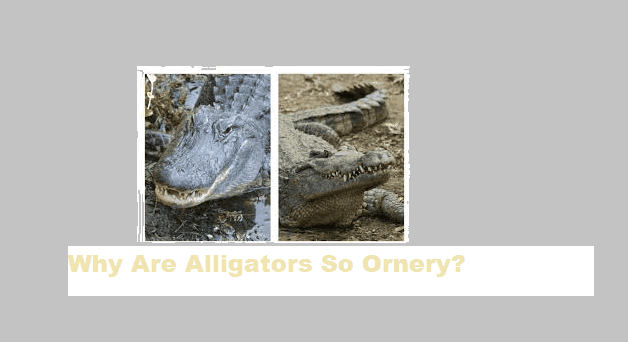
Have you ever wondered, “Why are alligators so ornery?” It’s a question that echoes through the swamps of the American South, whispered by locals and tourists alike. The image of the ornery alligator—mouth agape, eyes narrowed, tail thrashing—has become a fixture in popular culture. But is this reputation for aggression truly deserved, or is it a misunderstanding of one of nature’s most ancient and fascinating creatures?
In this comprehensive guide, we’ll dive deep into the world of alligators to uncover the real reasons behind their so-called “ornery” behavior. From their biology and instincts to the environmental pressures they face, you’ll discover the science, the myths, and the practical safety tips that can help you appreciate these remarkable reptiles. Whether you’re a wildlife enthusiast, a Florida resident, or simply curious, this article will answer the question: why are alligators so ornery?
Key Takeaways
- Alligator “ornery” behavior is rooted in survival instincts, not malice.
- Territoriality, maternal protection, and environmental stressors drive their aggression.
- Most alligator attacks are provoked by risky human behavior.
- Understanding alligator behavior and following safety guidelines can prevent negative encounters.
- Dispelling myths about alligator aggression helps promote coexistence and respect for wildlife.
Understanding Alligator Behaviour: The Basics
Alligators are apex predators, perfectly adapted to their environments after millions of years of evolution. Their reputation for being ornery is closely tied to their biology and the survival instincts that have kept them at the top of the food chain.
Alligator Biology: Built for Survival
Alligators are often called “living dinosaurs” for good reason. Their lineage stretches back over 37 million years, and their bodies are designed for efficiency in the water and on land. With powerful jaws, armored skin, and a muscular tail, they are formidable hunters and defenders of their territory.
What Does “Ornery” Mean in Animal Behavior?
When people describe alligators as ornery, they’re usually referring to behaviors like aggression, territoriality, and defensive displays. In the animal kingdom, these behaviors are not signs of malice or bad temper—they are essential survival strategies. For alligators, being quick to defend themselves or their territory is a matter of life and death.
The Alligator Brain: Instinct Over Malice
The alligator’s brain, though small, is highly specialized. Structures like the medulla oblongata control reflexive and survival-driven aggression. Unlike mammals, alligators rely heavily on instinct rather than learned behavior. Their actions are automatic responses to perceived threats or opportunities, not calculated acts of hostility .
Instincts Rule the Swamp
Alligator behavior is governed by instinct. Whether it’s defending a nest, hunting for food, or staking out territory, their actions are driven by the need to survive and reproduce. This instinctual approach can make them seem ornery to humans, but in reality, they are simply following the rules of nature .
Why Are Alligators Perceived as Ornery?
The perception of alligators as ornery or aggressive is shaped by a combination of their natural behaviors and the way humans interpret those actions.
Territorial Nature: Defending Their Domain
Alligators are fiercely territorial, especially during the breeding season. Males, known as “bulls,” establish large territories and will aggressively defend them from rivals. This territoriality is most pronounced in the spring, when males bellow to attract females and warn off competitors. Physical confrontations between males are common, often resulting in scars or missing limbs .
Maternal Protection: Fierce Defenders of the Nest
Female alligators are among the most attentive mothers in the reptile world. After laying eggs in carefully constructed nests, they guard them vigilantly for up to 70 days. Any perceived threat—be it a raccoon, bird, or human—will be met with swift and sometimes violent defense. Once the eggs hatch, the mother continues to protect her young for up to two years, ensuring their survival during the most vulnerable stages of life .
Seasonal Changes: Mating and Nesting Aggression
Alligator behavior changes with the seasons. During mating season (April to June), both males and females become more active and aggressive. Males compete for mates, while females prepare nests and later defend their young. This seasonal surge in activity often leads to more visible and assertive behavior, which can be mistaken for unprovoked aggression .
Hunger and Competition: The Drive to Survive
Scarcity of food can make alligators more aggressive. When resources are limited, competition intensifies, and alligators may become bolder in their search for prey. This is especially true in areas where habitat loss or overcrowding forces them into closer proximity with each other—and with humans .
Environmental Stressors: Human Encroachment and Habitat Loss
As humans expand into alligator habitats, the reptiles are forced to adapt. Habitat fragmentation, pollution, and increased human activity can stress alligator populations, leading to more frequent and intense territorial disputes. In some cases, alligators may become more aggressive as they compete for shrinking resources or are forced into unfamiliar environments .
Human-Alligator Interactions: The Reality Behind Attacks
The idea of the “man-eating alligator” is more myth than reality. Most alligator attacks are defensive responses to perceived threats or the result of risky human behavior.
Myth vs. Reality: Defensive, Not Predatory
Contrary to popular belief, alligators do not actively hunt humans. In fact, they generally avoid people whenever possible. Most attacks occur when humans inadvertently provoke an alligator—by swimming in their habitat, approaching nests, or feeding them .
The Numbers: How Common Are Alligator Attacks?
From 1948 to 2004, there were 376 documented alligator bites in the United States, with only 23 fatalities. In Florida, the state with the highest alligator population, the odds of being attacked are about one in 3.1 million. On average, there are only seven unprovoked attacks per year in Florida .
Risky Human Behavior: The Leading Cause
A comprehensive study found that 96% of alligator bites are preceded by some form of human inattention or risk-taking. Activities like swimming in alligator habitats, feeding alligators, or walking pets near water are the most common precursors to attacks .
The Danger of Food Habituation
Feeding alligators is not only illegal in many states—it’s dangerous. When alligators associate humans with food, they lose their natural fear and may approach people more boldly. This can lead to aggressive encounters and, in some cases, the need to euthanize the animal for public safety .
Size Matters: Larger Alligators, Greater Risk
Larger alligators (over 8 feet) are more likely to be involved in serious or repeated bites. These animals are more capable of inflicting harm and are often the ones that have become habituated to human presence through feeding or other interactions .
Common Activities That Lead to Encounters
- Swimming or wading in alligator habitats, especially at dawn or dusk
- Walking pets near water’s edge
- Fishing and leaving fish scraps behind
- Feeding or attempting to touch alligators
How to Avoid Negative Encounters
- Never feed or approach alligators
- Swim only in designated areas during daylight hours
- Keep pets and children away from water’s edge
- Be especially cautious during mating and nesting seasons
Environmental and Ecological Factors Affecting Alligator Temperament
Alligator behavior is shaped not just by instinct, but by the environment in which they live.
Habitat Fragmentation and Overcrowding
As wetlands are drained and developed, alligators are forced into smaller areas. This overcrowding leads to more frequent territorial disputes and can increase aggressive behavior as individuals compete for space and resources .
Food Scarcity: Competition Breeds Aggression
When food is scarce, alligators must compete more fiercely for what’s available. This competition can make them more aggressive, both toward each other and toward potential prey—including pets or, in rare cases, humans .
Seasonal Changes and Temperature
Alligators are ectothermic, meaning their body temperature is regulated by the environment. Warmer temperatures increase their metabolism and activity levels, making them more visible and, at times, more assertive. During cooler months, they become lethargic and less likely to interact with humans .
Vegetation and Hiding Spots
Dense vegetation at the water’s edge provides alligators with hiding spots, which can lead to surprise encounters with humans. These ambush sites are essential for hunting but can also increase the risk of accidental confrontations .
Dispelling Myths and Misconceptions About Alligator Aggression
Many of the fears surrounding alligators are based on myths and misunderstandings.
Myth: Alligators Are Naturally Mean
Alligators are not inherently mean or aggressive. Their so-called ornery behavior is situational, driven by the need to survive, defend territory, or protect their young. In most cases, they prefer to avoid humans .
Myth: Alligators Aggressively Hunt Humans
Wild alligators do not see humans as prey. Most attacks are defensive, not predatory. Alligators are more likely to flee than fight when confronted by people .
Myth: Alligators and Crocodiles Are the Same
Alligators and crocodiles are often confused, but they are distinct species with different behaviors. Crocodiles tend to be more aggressive and are found in different habitats. Understanding these differences can help reduce unnecessary fear .
Myth: Running in a Zigzag Pattern Helps Escape
The idea that running in a zigzag pattern will help you escape an alligator is a myth. The best strategy is to run straight and fast away from the animal .
Alligators Are Shy by Nature
If left undisturbed, alligators are generally shy and will avoid humans. Problems arise when people feed or harass them, leading to dangerous habituation .
The Importance of Public Education
Educating the public about alligator behavior and debunking myths is essential for promoting coexistence and reducing unnecessary fear. Understanding the real reasons behind alligator aggression can help people make safer choices and appreciate these animals’ role in the ecosystem .
How to Stay Safe Around Alligators
Living or recreating in alligator country comes with responsibilities. By following safety guidelines, you can minimize the risk of negative encounters.
Safety During Mating and Nesting Seasons
Alligators are most aggressive during mating (April-June) and nesting (late spring to summer) seasons. During these times, it’s especially important to keep your distance and avoid disturbing nests or young .
Never Feed or Entice Alligators
Feeding alligators is illegal in many states and can lead to dangerous habituation. Alligators that associate humans with food lose their natural wariness and may approach people, increasing the risk of attacks .
Keep Pets and Children Away from Water’s Edge
Pets and small children are at higher risk because they are similar in size to the alligator’s natural prey. Always keep pets on a leash and supervise children near water .
Recognize Signs of Aggression
Alligators display warning signs before attacking, including:
- Hissing
- Lunging
- Tail thrashing
- Raising their body out of the water
If you see these behaviors, back away slowly and give the animal plenty of space .
Report Nuisance Alligators
If you encounter an alligator that appears aggressive or is approaching people or homes, contact local wildlife authorities. In Florida, the Nuisance Alligator Hotline is available to handle such situations .
Responsible Behavior: The Key to Coexistence
- Never approach or attempt to touch alligators
- Dispose of fish scraps and food waste properly
- Swim only in designated areas during daylight
- Educate others about alligator safety
By respecting alligators and their habitats, humans can safely share the environment with these remarkable reptiles .
Conclusion
So, why are alligators so ornery? The answer lies in a complex web of instinct, survival, and environmental pressures. Alligator aggression is not a sign of malice, but a natural response to the challenges of their world. Territoriality, maternal protection, competition for resources, and human encroachment all play a role in shaping their behavior.
By understanding the real reasons behind alligator “ornery” behavior, we can move beyond fear and appreciate these ancient creatures for what they are: vital members of their ecosystems, deserving of respect and protection. With knowledge and responsible behavior, humans and alligators can coexist peacefully, each playing their part in the rich tapestry of the natural world.
For more, visit our website, S-Ornery home.com