
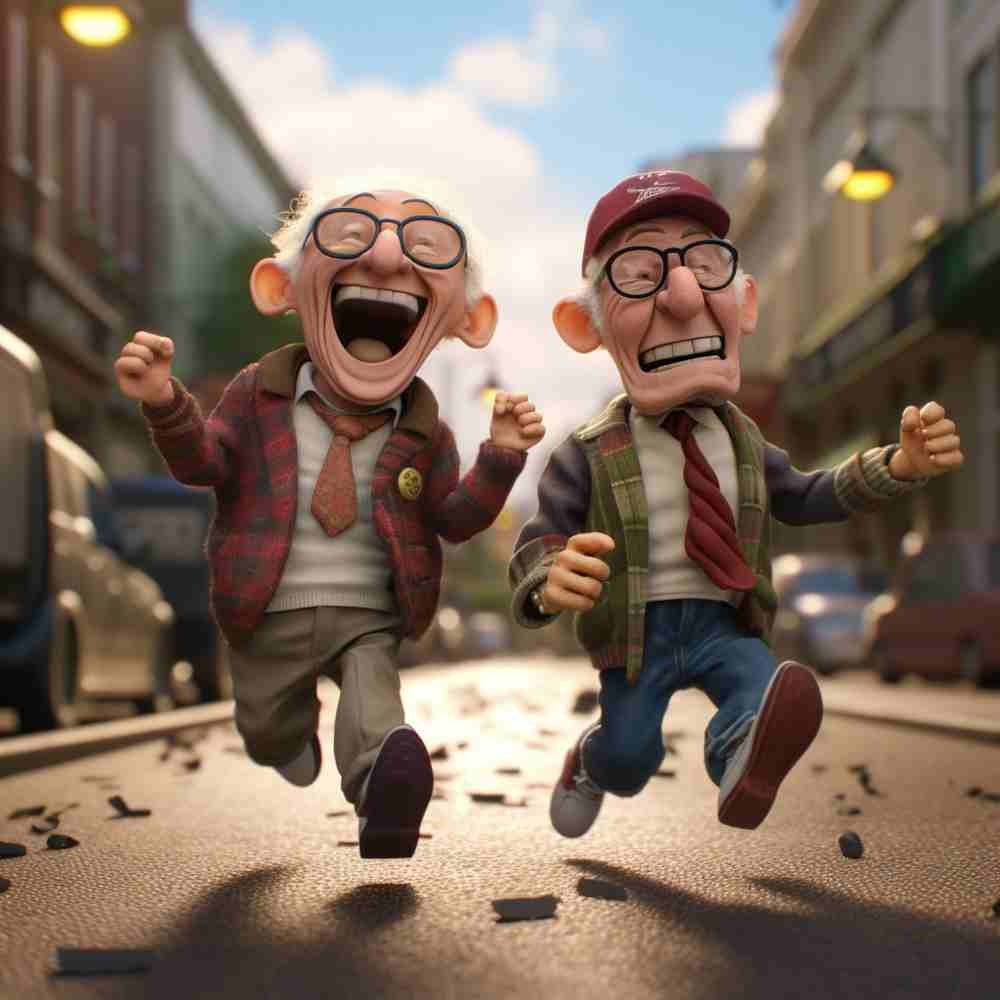
Have you ever been called “ornery” or heard someone described that way and wondered what it really means? Or maybe you’ve laughed at a joke that was just a little bit mischievous, a little bit teasing, but never truly mean? If so, you’ve already brushed up against the world of ornery jokes. But what is an ornery joke, and why does this unique style of humor hold such a special place in American culture? In this comprehensive guide, we’ll explore the roots, meaning, psychology, and cultural impact of ornery jokes, and show you how to use them to bring a little more laughter—and maybe a little more mischief—into your life.
Key Takeaways
- “Ornery” means more than just grumpy—it’s about playful stubbornness, mischief, and good-natured teasing.
- Ornery jokes are witty, light-hearted, and designed to tease without causing harm.
- This style of humor is deeply rooted in American, especially Southern and Midwestern, culture.
- Ornery jokes can strengthen social bonds and add depth to characters in stories and media.
- Using ornery jokes well requires understanding context, boundaries, and the difference between playful and mean-spirited humor.
Defining “Ornery”
To truly understand what is an ornery joke, it’s important to first dig into the word “ornery” itself. The term has a colorful history and a range of meanings that have evolved over time.
Origin and Etymology
“Ornery” is a distinctly American word, first appearing in the early 19th century. It began as a dialectal contraction of “ordinary,” used in the United States around 1816. At first, it simply meant something common or of poor quality. Over time, however, the meaning shifted. By the mid-1800s, “ornery” had come to describe someone who was unpleasant, disagreeable, or cantankerous.
Traditional Meanings
Today, “ornery” is most often used to describe someone who is irritable, stubborn, difficult to deal with, grumpy, or cantankerous. It’s the kind of word you might use for a neighbor who always complains about your lawn, or a grandparent who grumbles about “kids these days.”
Regional and Cultural Nuances
But “ornery” isn’t just about being cranky. In the Southern and Midwestern United States, the word takes on a more playful, affectionate tone. In these regions, someone who is ornery might be a bit mischievous, a prankster, or a good-spirited trickster. The pronunciation even changes—Midwesterners might say “ahn-ree,” while Southerners often say “awnry.”
Positive Connotations
In these cultural contexts, being ornery can be a compliment. It suggests a person who’s full of life, quick with a joke, and always ready to stir up a little harmless trouble. The ornery person is the one who hides your keys as a prank, or who teases you about your favorite sports team—but always with a twinkle in their eye.
How the Meaning Has Evolved
Over the years, “ornery” has shifted from a purely negative term to one that can be used affectionately. It’s a word that captures the spirit of playful resistance, a refusal to take life—or oneself—too seriously. This evolution is at the heart of what makes an ornery joke so special.
What Is an Ornery Joke?
Now that we’ve unpacked the meaning of “ornery,” let’s put it together with “joke.” So, what is an ornery joke?
Definition
An ornery joke is a type of humor that combines wit, teasing, and a touch of mischief. It’s the kind of joke that pokes fun at someone or something, but always in a light-hearted, good-natured way. The goal isn’t to hurt feelings or cause offense, but to create a moment of playful connection.
Characteristics of an Ornery Joke
- Witty: Ornery jokes are clever and quick, often relying on wordplay or a sharp observation.
- Teasing: They gently poke fun at someone, often highlighting a quirk or habit.
- Prank-like: Sometimes, an ornery joke involves a harmless prank or a bit of trickery.
- Mischievous but Kind: The best ornery jokes are mischievous, but never mean-spirited. They’re designed to make everyone laugh—including the person being teased.
How Ornery Jokes Differ from Mean-Spirited or Offensive Jokes
The key difference between an ornery joke and a mean-spirited joke is intent. Ornery jokes are meant to bring people together, not drive them apart. They rely on a shared understanding and a sense of trust. If a joke crosses the line into cruelty or humiliation, it’s no longer ornery—it’s just mean.
Examples Illustrating the Essence of an Ornery Joke
- Example 1: A farmer tells his wife, “If I die before you, I’m going to haunt you every night!” She replies, “That’s why I’ll have you buried upside down—you’re too ornery to ask for directions.”
- Example 2: A friend hides your phone and, when you ask where it is, says, “Maybe it grew legs and ran off—can’t blame it for wanting a break from you!”
- Example 3: At a family dinner, someone says, “Careful, don’t let Grandpa near the dessert—he’s ornery enough without a sugar rush!”
These jokes tease, but they also show affection and familiarity. They’re a way of saying, “I know you, and I like you enough to joke with you.”
Historical and Cultural Context of Ornery Humor
Ornery humor isn’t just a personal trait—it’s a cultural phenomenon, especially in certain parts of the United States.
The Role of Ornery Behavior in Humor
In the Southern and Midwestern U.S., ornery behavior is often celebrated as a sign of spirit and individuality. People in these regions value quick wit, resilience, and the ability to laugh at life’s challenges. Ornery jokes are a way of expressing these values, turning everyday frustrations into moments of shared laughter.
Why Ornery Jokes Are Often Seen as Endearing
Unlike sarcasm or biting satire, ornery jokes are usually seen as endearing. They show that the joker is paying attention, that they care enough to notice the little things that make someone unique. In many families and communities, being called ornery is a badge of honor—a sign that you’re lively, sharp, and fun to be around.
Comparison to Related Humor Types
- Prank Jokes: Ornery jokes often overlap with pranks, but they’re usually less elaborate and more focused on wordplay or quick wit.
- Cheeky Jokes: Both ornery and cheeky jokes involve teasing, but ornery jokes have a more affectionate, down-home feel.
- Curmudgeonly Humor: While curmudgeonly humor can be grumpy or negative, ornery humor is more playful and light-hearted.
Psychology Behind Ornery Jokes
Why do people enjoy ornery jokes? What makes this style of humor so effective at bringing people together?
How Teasing and Playful Antagonism Create Humor
Teasing is a universal form of social interaction. When done well, it creates a sense of play and mutual understanding. Ornery jokes use playful antagonism to signal affection and acceptance. The joke says, “I know you well enough to tease you, and I trust you to take it in stride.”
Social Bonding Through Ornery Jokes
Research shows that playful teasing can strengthen social bonds. It requires both the joker and the recipient to “read” each other’s intentions, creating a sense of closeness and shared experience. In families, friendships, and even workplaces, ornery jokes can be a way of building trust and camaraderie.
The Balance Between Irritation and Affection in Ornery Humor
The best ornery jokes walk a fine line between irritation and affection. They’re designed to get a reaction—a groan, a laugh, maybe even a mock glare—but never real anger or hurt. This balance is what makes ornery humor so satisfying: it’s a little bit risky, but always rooted in goodwill.
Examples of Ornery Jokes
Let’s look at some classic examples of ornery jokes, along with explanations of what makes them work.
A List of Ornery Jokes with Explanations
- Joke 1: “Why did you put your shoes on the wrong feet?”
“Because I don’t have any other feet!”
Explanation: This joke teases someone for a silly question, but the answer is playful, not mean. - Joke 2: “You’re about as useful as a screen door on a submarine.”
Explanation: This is a classic ornery insult—funny because it’s so exaggerated and obviously not meant to be taken seriously. - Joke 3: “If you get any ornerier, we’ll have to put up a warning sign.”
Explanation: This joke pokes fun at someone’s reputation for mischief, but in a way that suggests admiration.
Breakdown of the Language and Tone That Makes a Joke Ornery
Ornery jokes often use:
- Exaggeration: Making a situation sound more dramatic or ridiculous than it is.
- Playful Insults: Teasing someone about a harmless trait or habit.
- Wordplay: Using puns or clever turns of phrase.
- Familiarity: Referencing shared experiences or inside jokes.
Variations from Gentle Teasing to More Sharp-Witted Remarks
Ornery jokes can range from gentle ribbing (“You’re as slow as molasses in January”) to sharper, but still affectionate, remarks (“If brains were dynamite, you couldn’t blow your nose”). The key is that the underlying tone is always friendly, not hostile.
How to Use Ornery Jokes Appropriately
Ornery jokes can be a wonderful way to connect with others—but only if used thoughtfully.
Contexts Where Ornery Jokes Are Welcome and Appreciated
- Among Family and Close Friends: People who know each other well are more likely to appreciate ornery humor.
- In Communities with a Tradition of Teasing: Some workplaces, sports teams, or social groups have a culture of playful banter.
- When There’s Mutual Trust: Ornery jokes work best when everyone involved feels safe and respected.
Boundaries: When Ornery Jokes Can Go Too Far
- Sensitive Topics: Avoid joking about things that are likely to cause real hurt or embarrassment.
- New Relationships: Be cautious with ornery jokes until you know someone’s sense of humor.
- Power Dynamics: Be mindful of situations where there’s a difference in status or authority—what feels playful to one person might feel intimidating to another.
Tips to Maintain a Good-Natured Ornery Tone in Humor
- Watch for Reactions: If someone seems uncomfortable, back off and apologize.
- Keep It Light: Focus on harmless quirks or everyday situations, not personal flaws.
- Laugh at Yourself: Show that you can take a joke as well as make one.
Ornery Jokes in Popular Culture
Ornery humor isn’t just for family gatherings—it’s a staple of American entertainment.
Examples from Literature, TV, and Movies Featuring Ornery Humor
- Dr. Gregory House from “House”: His sharp wit and irritable demeanor are classic examples of ornery humor, often used to challenge and connect with others.
- Oscar the Grouch from “Sesame Street”: Oscar’s grumpiness is played for laughs, making him a beloved character despite (or because of) his ornery ways.
- Red Forman from “That ’70s Show”: Red’s gruff one-liners and constant teasing of his son and friends are textbook ornery jokes.
- Squidward Tentacles from “SpongeBob SquarePants”: His sarcastic, irritable attitude provides a foil to SpongeBob’s cheerfulness, creating comedic tension.
- Statler and Waldorf from “The Muppet Show”: Their balcony heckling is a masterclass in ornery banter.
Famous Characters Who Embody the Ornery Spirit
These characters are memorable not just for their grumpiness, but for the warmth and humor that shine through their tough exteriors. They remind us that being ornery can be a way of showing love, challenging others, and keeping life interesting.
How Ornery Jokes Contribute to Character Development and Audience Engagement
Ornery humor adds depth to characters, making them more relatable and human. It also creates opportunities for conflict, growth, and—most importantly—laughter. Audiences are drawn to ornery characters because they reflect the complexity of real people: tough on the outside, but often soft at heart.
SEO and Marketing Benefits of Writing About Ornery Jokes
You might be wondering: why write a blog post about ornery jokes? The answer lies in the power of unique, culturally rich content.
Why Focusing on Unique, Culturally Rich Terms Like “Ornery Joke” Boosts Blog Traffic
- Less Competition: “Ornery joke” is a specific, niche keyword that’s less crowded than broader humor terms.
- Cultural Relevance: Tapping into regional language and traditions can attract readers who feel a personal connection to the topic.
- Shareability: People love to share content that reflects their identity and sense of humor.
Integrating the Keyword Naturally Throughout the Blog Post
Using the focus keyword “what is an ornery joke” in the title, introduction, headings, and throughout the article helps search engines understand the topic and improves your chances of ranking highly in search results.
Leveraging Ornery Joke Content for Engagement and Shares
- Invite Readers to Share: Encourage readers to post their own ornery jokes or stories in the comments.
- Use Social Media: Share snippets of ornery humor on platforms like Facebook, Twitter, and Instagram to drive traffic back to your blog.
- Create Visuals: Memes, quote graphics, and short videos featuring ornery jokes can go viral and attract new readers.
Conclusion
So, what is an ornery joke? It’s more than just a wisecrack or a prank—it’s a celebration of wit, mischief, and the bonds that connect us. Ornery jokes are a uniquely American tradition, rooted in the playful spirit of communities that value resilience, humor, and a little bit of good-natured troublemaking. By understanding the history, psychology, and cultural context of ornery humor, you can bring more laughter into your life—and maybe even earn a reputation as the most ornery (and beloved) joker in your circle.
Ready to try out some ornery humor? Share your favorite ornery jokes or stories in the comments below, and keep the tradition alive!
For more, visit our website, S-Ornery home.com