
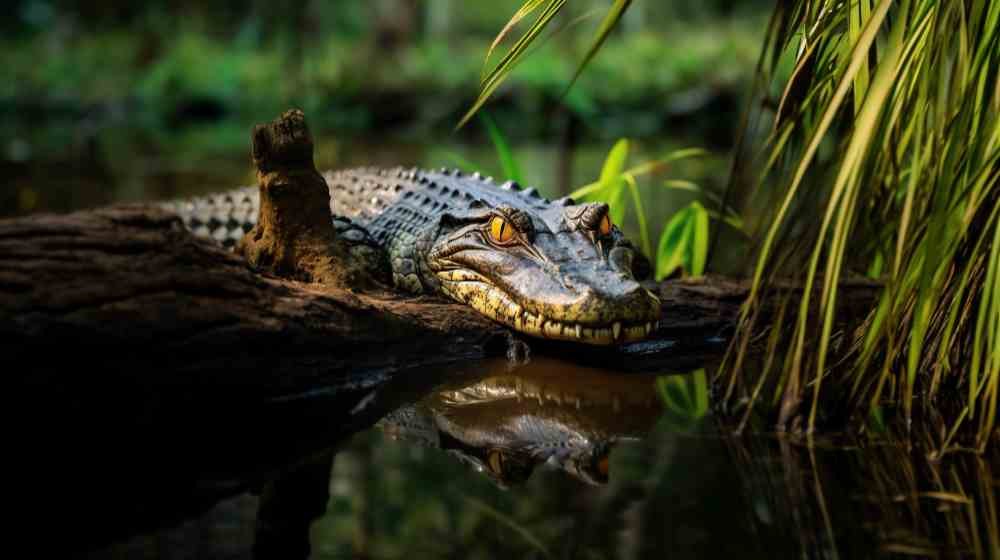
Have you ever wondered why people often describe alligators as ornery? Is it just a myth, or is there real science behind the reputation of alligators ornery? Understanding the temperament and behavior of these ancient reptiles is not only fascinating—it’s essential for anyone living near alligator habitats or simply curious about wildlife. In this comprehensive guide, we’ll explore what makes alligators ornery, how their behavior is shaped by nature and environment, and what you need to know to safely coexist with these remarkable creatures.
Key Takeaways
- Alligators ornery is a phrase rooted in their reputation for being irritable or aggressive, but their behavior is mostly instinct-driven.
- Alligator temperament varies with season, environment, and human interaction.
- Recognizing warning signs and respecting alligator habitats are crucial for safety.
- Myths about alligators being naturally mean are often exaggerated; understanding their true behavior helps promote coexistence.
What Does “Ornery” Mean in the Context of Alligators?
The word “ornery” typically means irritable, stubborn, or bad-tempered. When people say “alligators ornery,” they’re usually referring to the animal’s reputation for being aggressive or difficult to deal with. But is this reputation deserved?
In the context of alligators, ornery describes behaviors such as hissing, snapping, or displaying aggression when threatened. However, it’s important to distinguish between natural defensive behaviors and true bad temper. Alligators are not mean for the sake of being mean; their so-called ornery actions are usually responses to perceived threats, hunger, or the need to defend territory or offspring.
Understanding the difference between instinctual defense and genuine aggression is key to interpreting why alligators are sometimes labeled as ornery. In most cases, their behavior is about survival, not malice.
Alligator Behavior: Natural Temperament and Social Dynamics
Alligators are fascinating creatures with complex social behaviors. While they are often solitary, especially as adults, their interactions with each other and their environment reveal much about their temperament.
Territoriality and Social Structure
Large male alligators are highly territorial, especially during mating season. They will defend their chosen area from rivals, using displays such as bellowing, head-slapping the water, and even physical confrontations. Smaller alligators and juveniles, on the other hand, are more tolerant of each other and may be seen basking together on riverbanks or floating in groups.
Congregational Behavior
Despite their solitary reputation, alligators sometimes gather in groups, particularly in areas with abundant food or during the dry season when water sources shrink. These congregations are usually peaceful, but competition for resources can lead to displays of dominance or aggression.
Communication and Body Language
Alligators communicate through a variety of signals, including vocalizations, body postures, and movements. Bellows, for example, are used by males to establish territory and attract mates. Tail slaps, jaw claps, and hissing are warning signals that indicate an alligator feels threatened or is asserting dominance.
Understanding these behaviors helps explain why alligators ornery is a phrase that captures both their defensive instincts and their complex social lives.
Reasons Behind Alligators’ Ornery or Aggressive Behavior
Why do alligators sometimes act ornery or aggressive? Several factors influence their temperament, from hormones to hunger to human interaction.
Hormonal and Seasonal Influences
During mating season, which typically occurs in the spring, male alligators become more aggressive as they compete for territory and mates. Females, too, can display heightened aggression when defending nests and young. These hormonal changes make alligators more likely to confront intruders or rivals.
Maternal Instincts
Female alligators are fiercely protective of their nests and hatchlings. If a human or animal approaches a nest, the mother will often hiss, charge, or even attack to defend her young. This maternal aggression is a key reason why alligators are sometimes perceived as ornery.
Hunger and Predatory Instincts
Alligators are opportunistic predators. When hungry, they may become bolder and more aggressive in pursuit of food. This is especially true in areas where natural prey is scarce or where humans have fed alligators, causing them to lose their natural fear.
Human Interaction and Feeding
One of the biggest factors in alligator aggression is human behavior. Feeding alligators is illegal in many places because it teaches them to associate people with food. This can lead to bold, aggressive behavior and increases the risk of dangerous encounters. Alligators that have been fed by humans are far more likely to approach people and display ornery behavior.
How Temperature and Environmental Factors Affect Alligator Behavior
Alligators are ectothermic, meaning their body temperature and activity levels are influenced by the environment. This has a direct impact on their temperament and behavior.
Thermoregulation and Activity
Alligators are most active when temperatures are warm, typically between 82°F and 92°F. During cooler weather, their metabolism slows, and they become less active, often spending more time in burrows or submerged in water. However, if disturbed during these periods of inactivity, they may react with sudden aggression, which can be mistaken for orneriness.
Habitat Conditions
Environmental factors such as water levels, availability of basking sites, and human disturbance also affect alligator behavior. Drought or habitat loss can force alligators into closer proximity with each other and with humans, increasing the likelihood of aggressive encounters.
Understanding how temperature and environment influence alligator behavior is crucial for interpreting when and why alligators ornery becomes a concern.
Common Misconceptions About Alligators Being Ornery
Alligators have a reputation for being mean or ornery, but much of this is based on misunderstanding or myth.
Myth vs. Reality
The idea that alligators are naturally aggressive toward humans is largely exaggerated. In reality, alligators are typically shy and will avoid people if given the chance. Most aggressive encounters occur when alligators are provoked, feel threatened, or have been habituated to humans through feeding.
Instinct-Driven Behavior
Alligator aggression is almost always a matter of instinct and survival. When an alligator hisses, lunges, or snaps, it’s usually trying to defend itself, its territory, or its young. These behaviors are not signs of a bad temper but of a healthy respect for survival.
Human Provocation
Many so-called ornery encounters are the result of human actions—approaching too closely, feeding, or disturbing alligators during sensitive times. Recognizing the difference between cautious and aggressive behavior helps prevent misunderstandings and promotes safer interactions.
Warning Signs of an Ornery or Aggressive Alligator
Recognizing the warning signs of an ornery or aggressive alligator is essential for safety.
Behavioral Cues
- Hissing: A clear warning that the alligator feels threatened.
- Tail Movements: Rapid tail slapping or lashing can signal agitation.
- Body Posture: An elevated head and open mouth indicate readiness to defend or attack.
- Jaw Clapping: Loud snapping of jaws is a display meant to intimidate.
Recognizing Threats
If an alligator is displaying these behaviors, it’s best to back away slowly and give the animal plenty of space. Never approach an alligator, especially during mating or nesting season.
Safety Tips
- Stay at least 60 feet (about 20 meters) away from alligators in the wild.
- Never feed or attempt to touch an alligator.
- Be especially cautious near water during dusk and dawn, when alligators are most active.
How to Safely Coexist with Alligators
Living near alligator habitats doesn’t have to be dangerous if you follow a few simple guidelines.
Respect Alligator Habitats
Avoid swimming or wading in areas known to be inhabited by alligators, especially at night. Keep pets and children away from the water’s edge, and never dispose of fish scraps or food near the water.
Legal and Ethical Guidelines
Feeding alligators is illegal in many states because it endangers both people and animals. Respect local laws and report anyone who is feeding or harassing alligators.
Education and Awareness
Learning about alligator behavior and sharing this knowledge with others is one of the best ways to reduce negative encounters. Many wildlife agencies offer educational programs and resources for residents and visitors.
What to Do in a Close Encounter
If you find yourself face-to-face with an aggressive alligator, remain calm. Back away slowly, avoid sudden movements, and do not turn your back. If an alligator charges, try to put a barrier between you and the animal and seek help immediately.
Fascinating Insights: Alligator Communication and Temperament Beyond Ornery Behavior
Alligators are more than just ornery reptiles—they have a rich repertoire of behaviors and communication methods.
Vocalizations and Communication
Alligators use a variety of sounds to communicate, including bellows, grunts, and hisses. Males bellow to establish territory and attract mates, while hatchlings emit high-pitched calls to summon their mothers. These vocalizations are essential for social interaction and survival.
Maternal Care
Despite their tough reputation, female alligators are attentive mothers. They guard their nests, help hatchlings reach the water, and may protect their young for several months. This nurturing side contrasts sharply with the image of alligators as purely ornery creatures.
Unique Behaviors
The famous “death roll,” where an alligator spins rapidly to subdue prey, is a testament to their power and adaptability. While dramatic, this behavior is not about orneriness but about efficient feeding.
Understanding these aspects of alligator life helps paint a fuller picture of their true nature—one that goes beyond the stereotype of alligators ornery.
Conclusion
Alligators ornery is a phrase that captures both the mystique and misunderstanding surrounding these ancient reptiles. While alligators can display aggressive or irritable behavior, most of their actions are driven by instinct, environment, and the need to survive. By learning to recognize warning signs, respecting their habitats, and dispelling common myths, people can safely coexist with alligators and appreciate their vital role in the ecosystem.
Instead of fearing alligators for their supposed orneriness, let’s strive to understand and respect them. With knowledge and caution, humans and alligators can share the wild spaces of the United States in safety and harmony.
For more, visit our website, S-Ornery home.com